Avoiding Frozen Pipes This Winter
When winter rolls into Colorado, the snow can be beautiful, but the deep freezes that come with it? Not so much. At Kinder Restoration, we’ve seen firsthand just how quickly a frozen pipe can turn from an inconvenience into a full-blown water damage disaster. If you’ve ever dealt with a burst pipe in the middle of winter, you already know how stressful (and expensive) it can be. And if you haven’t… Well, we’re here to help you keep it that way.
Let’s break down what causes frozen pipes, how to prevent them, what kind of water damage they can lead to, and what to do if disaster strikes. We’re sharing expert advice from our years of experience helping Colorado families restore their homes after freezing temps cause unexpected problems.
Key Takeaways
- Frozen pipes can lead to major water damage in Colorado homes, especially during winter cold snaps.
- Most at-risk pipes are in unheated areas like basements, attics, and exterior walls.
- Prevent frozen pipes by insulating plumbing, sealing air leaks, keeping indoor temps above 55°F, and letting faucets drip during extreme cold.
- If a pipe freezes, turn off the water at the main valve and gently thaw the pipe. Don’t wait for it to burst.
- If a pipe bursts, act fast. Kinder Restoration provides emergency water removal and expert water damage cleanup.
- We serve Colorado homeowners with 24/7 response and experience handling winter-related restoration needs.
Why Do Frozen Pipes Cause Damage?
It’s simple science: water expands when it freezes. And when it’s trapped inside a pipe with nowhere to go, that pressure builds up, often to the point where the pipe cracks or bursts completely. This can happen in metal or plastic pipes alike.
In Colorado, where winter temperatures regularly dip below freezing, pipes are especially at risk in:
- Attics and crawl spaces
- Basements
- Garages
- Exterior walls
- Under kitchen and bathroom sinks
These are areas that aren’t always well insulated, making them more vulnerable when cold snaps hit. And once a pipe bursts, the resulting water can spread fast, soaking drywall, flooring, insulation, and even causing electrical hazards.
The Aftermath of Frozen Pipe Water Damage
When a pipe bursts, it doesn’t always make itself known right away. Sometimes the leak starts behind a wall or under the floor, silently soaking your home until it finally surfaces. By then, you could be looking at:
- Warped flooring or cabinets
- Sagging ceilings
- Mold growth from lingering moisture
- Ruined furniture or personal belongings
- Damage to HVAC or electrical systems
We’ve seen it all. One burst pipe can dump hundreds of gallons of water into your home in just a few hours. That’s why quick action matters, and why prevention is your first line of defense.
Prevention Tips From the Pros
We’re not here to say you always need a professional. There are minor situations where a DIY clean-up could work, like if the affected area is very small, the water is clean (Category 1), and you respond immediately, but even in these situations, it’s important to monitor for lingering moisture and odors.

When to Call Kinder Restoration Instead
At Kinder Restoration, we always say it’s better to spend a little time preparing than a lot of time (and money) cleaning up. Here are some of the most effective ways to prevent frozen pipes in your home:
- Insulate Exposed Pipes
Wrap foam insulation around any pipes in unheated areas. You can find this at most hardware stores, and it’s an easy DIY project. - Let Faucets Drip During Cold Snaps
Even a slow trickle can help prevent pressure build-up by keeping water moving through the pipes. - Open Cabinet Doors
Let warm air circulate around plumbing under sinks, especially on exterior walls. - Seal Gaps and Cracks
Use caulk or spray foam to seal openings in your walls, windows, and doors where cold air could get in and chill the pipes. - Keep the Heat On
Even if you’re heading out of town, keep your thermostat set to at least 55°F to help prevent freezing while you’re away. - Use Heat Tape (Safely)
For pipes that are especially at risk, electric heat tape can add a layer of protection. Just make sure it’s installed correctly and monitored as recommended.
What to Do If a Pipe Freezes
If you turn on a faucet and only a trickle comes out, chances are the pipe is frozen. Here’s what to do:
- Turn off the water at the main shut-off valve to prevent flooding in case the pipe bursts.
- Apply gentle heat to the frozen area using a space heater, heat lamp, or hair dryer. Never use open flames.
- Check for cracks or leaks as the pipe thaws.
- Call a professional if you’re unsure where the frozen pipe is or suspect damage.
If the pipe has already burst and there’s water in your home, shut off the water immediately and give us a call. Our Kinder Restoration team can respond fast to begin water removal, drying, and damage control.
Why Choose Kinder Restoration?
We’re not just here for cleanups. We’re here for our community. As a local Colorado company, we understand the seasonal challenges our neighbors face. From Castle Rock to Colorado Springs, Denver to Vail, we’ve helped homeowners recover from frozen pipe disasters for years.
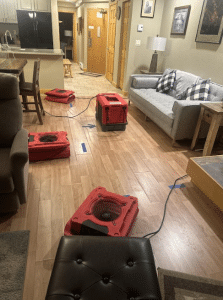
What makes us different? We combine state-of-the-art equipment with genuine care. Our team handles everything from emergency water extraction and structural drying to mold prevention and full restoration. We also work directly with your insurance company to simplify the claims process.
Frozen pipes may be a winter risk, but with the right preparation and a reliable restoration partner, they don’t have to become a catastrophe.
We’re Here When You Need Us
Frozen pipes can sneak up on anyone, but you don’t have to face the mess alone. Whether you’re dealing with a leak right now or just want to prepare before the next big freeze, Kinder Restoration is ready to help.
If you need emergency water damage help or want a professional to inspect your home for potential pipe risks, reach out to our team today. We’re here 24/7 with the experience, equipment, and care you can count on, because protecting your home is what we do best.
We’re proud to help Colorado families recover, restore, and stay ready, no matter what the weather brings. Call Kinder Restoration now to learn more or request emergency water damage restoration service.