Water damage is not always obvious. In many cases, it develops quietly behind walls, under floors, or above ceilings. Because of this, homeowners often miss the early warning signs until the damage becomes severe.
At Kinder Restoration, we frequently help homeowners who did not realize they had hidden water damage. Unfortunately, by the time visible signs appear, repairs can become more expensive. That is why early detection is critical.
In this guide, we will explain the signs of hidden water damage in your home, how to detect it early, and when to call a professional water damage restoration company.
Key Takeaways
- Hidden water damage can develop behind walls, ceilings, and floors without visible signs.
- Common indicators include musty odors, stains, warped materials, and mold growth.
- Water leaks can lead to structural damage and poor indoor air quality if ignored.
- Early detection helps prevent costly repairs and mold remediation.
- Professional water damage inspection and restoration services are essential for hidden issues.
What Is Hidden Water Damage?
Hidden water damage occurs when moisture accumulates in areas that are not easily visible. It often starts from plumbing leaks, roof damage, or appliance malfunctions. Because it is concealed, it can go unnoticed for long periods.
Over time, this moisture can spread through drywall, insulation, and wood structures. As a result, it weakens your home and creates conditions for mold growth. Even small leaks can lead to major problems if they are not addressed.
Understanding what hidden water damage is will help you recognize the early warning signs before the situation worsens.
1. Musty Smell in Your Home
A musty smell is often one of the first signs of hidden water damage. Even if you cannot see moisture, your nose can detect it. This odor usually indicates mold growth or damp materials.
When moisture becomes trapped inside walls or under floors, it creates a humid environment. As a result, mold and mildew begin to grow, producing a persistent smell. This is especially common in basements, bathrooms, and poorly ventilated areas.
If you notice a musty odor that does not go away, it may be time to schedule a water damage inspection.
2. Discoloration or Stains on Walls and Ceilings
Water stains are one of the most visible signs of water damage. However, they often appear after the damage has already spread internally. These stains may look yellow, brown, or dark in color.
In many cases, stains form when water seeps through drywall or ceiling materials. Over time, the moisture spreads outward, creating visible marks. Even small stains can indicate a larger hidden issue.
If you notice discoloration, it is important to act quickly. You can learn more about how damage develops in our guide on how long water damage takes to appear in walls.
3. Peeling Paint or Bubbling Drywall
Peeling paint or bubbling drywall is another common symptom of moisture buildup. When water accumulates behind a surface, it pushes outward and causes visible damage.
As a result, paint may begin to crack, bubble, or peel away from the wall. Similarly, drywall can become soft or swollen. This is a clear sign that moisture is trapped underneath.
Ignoring this issue can lead to further structural damage. Therefore, it is important to address it as soon as possible.
4. Warped Flooring or Soft Spots
Water damage is not limited to walls and ceilings. It can also affect your floors, especially in areas near plumbing fixtures or appliances. Over time, moisture can cause flooring materials to warp or buckle.
For example, hardwood floors may begin to swell and lift. Similarly, laminate flooring may separate or feel uneven. In some cases, you may notice soft spots when walking across the floor.
These symptoms often indicate hidden water leaks beneath the surface. A professional inspection can help determine the extent of the damage.
5. Increased Water Bills Without Explanation
An unexpected increase in your water bill can be a sign of a hidden water leak. While this may not seem like a direct indicator of water damage, it is often one of the earliest warning signs.
Leaks inside walls or under floors can go unnoticed for weeks. During this time, water continues to flow, increasing your utility costs. Therefore, monitoring your water bill can help detect hidden issues.
If your water usage increases without a clear reason, it is worth investigating further.
6. Mold Growth in Unexpected Areas
Mold growth is one of the most serious consequences of hidden water damage. It often appears in areas where moisture is present, even if the source is not visible.
You may notice mold spots on walls, ceilings, or baseboards. In some cases, mold may grow behind furniture or inside cabinets. This is especially common in damp environments.
Because mold can affect indoor air quality, it is important to address it immediately. Professional mold remediation services can help eliminate the problem safely.
7. Damp or Humid Areas in Your Home
Unusual humidity levels can indicate moisture buildup. Even if there are no visible leaks, damp air can signal hidden water damage. This is particularly common in basements and crawl spaces.
You may notice condensation on windows or a sticky feeling in the air. These conditions often result from trapped moisture inside walls or floors. Over time, this can lead to structural damage and mold growth.
Using proper moisture detection methods can help identify the source of the problem.
How to Detect Hidden Water Damage in Your Home
Detecting hidden water damage requires a combination of observation and professional tools. While some signs are visible, others require specialized equipment.
At Kinder Restoration, we use advanced tools such as:
- Moisture meters
- Infrared thermal cameras
- Humidity sensors
These tools allow us to detect moisture behind walls and under floors without causing damage. As a result, we can identify problems early and prevent further issues.
If you suspect hidden water damage, it is best to schedule a professional inspection. You can also explore our page on water damage restoration services to learn more about our process.
Why Hidden Water Damage Is Dangerous
Hidden water damage can lead to serious problems if it is not addressed. Over time, moisture weakens structural components such as wood and drywall. This can compromise the integrity of your home.
Additionally, mold growth can affect your health. Exposure to mold spores may cause respiratory issues, allergies, and other health concerns. Therefore, it is important to address moisture issues quickly.
By identifying the signs early, you can prevent costly repairs and protect your home.
When to Call a Water Damage Restoration Professional
While some minor issues can be handled independently, hidden water damage often requires professional expertise. Restoration specialists have the tools and experience needed to locate and repair hidden leaks.
Our team provides:
- Water damage inspection
- Moisture detection
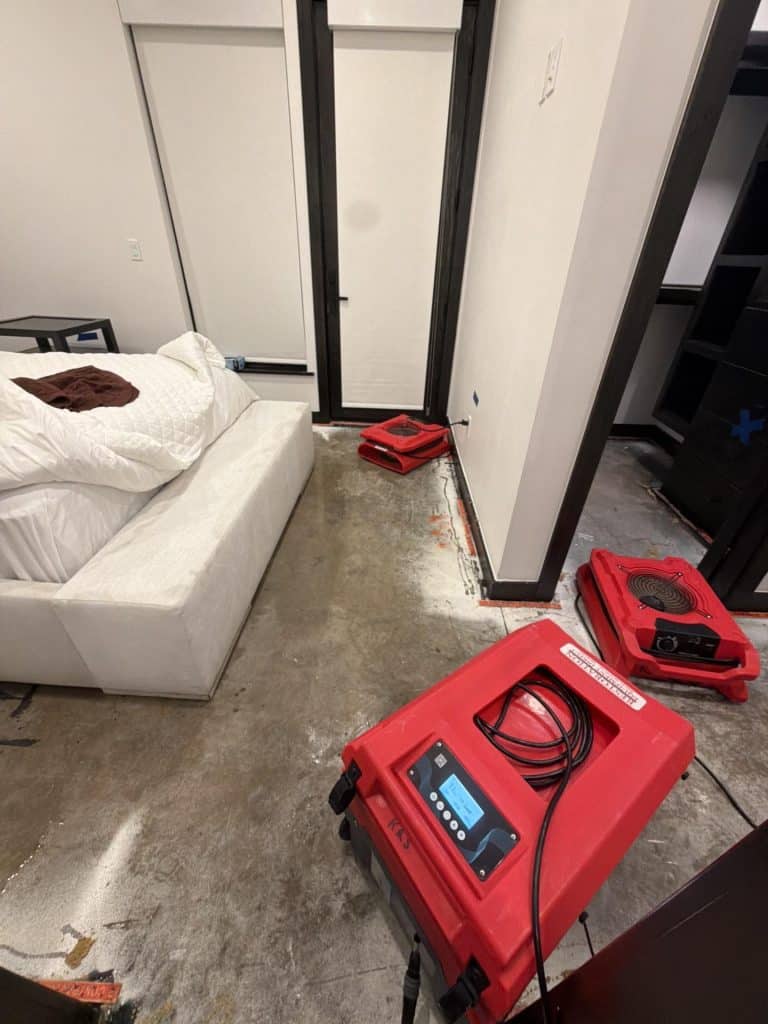
- Structural drying
- Mold prevention
We also recommend reviewing our article on What is Water Damage Restoration? to understand better how the process works.
If you notice any of the signs mentioned above, do not wait. Early action can save you time, money, and stress.
Frequently Asked Questions
1. What are the signs of hidden water damage in a home?
Common signs include musty odors, wall or ceiling stains, peeling paint, warped flooring, and mold growth. You may also notice damp spots or increased humidity. These symptoms often indicate moisture buildup behind walls or under floors.
2. How do I know if I have water damage behind walls?
You may notice bubbling paint, soft drywall, discoloration, or a musty smell. In some cases, increased water bills or mold growth can also indicate hidden leaks. Professional tools like moisture meters can confirm water damage inside walls.
3. Can hidden water damage cause mold?
Yes. Hidden water damage can lead to mold growth within 24 to 48 hours if moisture remains. Damp environments behind walls or under floors create ideal conditions for mold to develop and spread.
4. Is hidden water damage dangerous?
Hidden water damage can weaken structural materials and lead to mold growth. Over time, this may cause health issues such as allergies or respiratory problems. It can also result in costly repairs if left untreated.
5. When should I call a water damage restoration professional?
You should call a professional if you notice persistent odors, stains, mold, or signs of moisture. Experts can detect hidden water damage, remove moisture, and prevent further structural damage or mold growth.
Protect Your Home with Kinder Restoration
Hidden water damage can quickly turn into a major problem if left untreated. However, by recognizing the early signs, you can take action before the damage worsens.
At Kinder Restoration, we specialize in detecting and repairing hidden water damage. Our team is available to provide fast, reliable, and professional restoration services when you need them most.
If you suspect water damage in your home, contact us today. We are here to help you protect your property and restore your peace of mind.