Water damage is one of the most common and costly issues homeowners face. Whether the problem comes from a burst pipe, appliance leak, or roof damage, the first question many people ask is: Does homeowners insurance cover water damage?
The answer depends on the source of the damage and the details of your homeowners insurance policy. While many policies cover sudden and accidental water damage, they may exclude damage caused by neglect, flooding, or long-term leaks. Understanding what is covered can help you avoid unexpected expenses and make the claims process easier.
At Kinder Restoration Services, we regularly assist homeowners dealing with water damage restoration and insurance claims. In this guide, we explain what homeowners insurance typically covers, common exclusions, and how to protect your property after water damage occurs.
Key Takeaways
- Homeowners’ insurance often covers sudden and accidental water damage.
- Damage from burst pipes and appliance failures is commonly covered.
- Flood damage typically requires separate flood insurance.
- Long-term leaks and maintenance-related issues are often excluded.
- Quick action and proper documentation improve your chances of a successful insurance claim.
- Professional water damage restoration can help prevent additional property damage.
What Types of Water Damage Are Covered by Insurance?
Understanding insurance coverage starts with knowing which events are typically considered covered perils. Most homeowners insurance policies are designed to protect against sudden and unexpected incidents rather than preventable issues.
In many cases, insurance companies cover water damage that occurs unexpectedly. This means homeowners may receive coverage for repairs, water extraction services, and restoration costs when damage results from a covered event.
Common types of covered water damage include:
- Burst pipes
- Accidental plumbing leaks
- Overflowing washing machines
- Water heater failures
- Dishwasher malfunctions
- Sudden roof leaks caused by storms
For example, if a pipe freezes and bursts during winter, homeowners insurance may cover the resulting water damage restoration costs. However, coverage varies between policies, so it is important to review your insurance documents carefully.
When covered water damage occurs, immediate action can reduce losses. Our Water Damage Restoration Services team can quickly begin water mitigation and structural drying to help minimize damage.
Does Homeowners Insurance Cover Water Damage?
Many homeowners are surprised to learn that insurance coverage depends on how the water damage occurred. Simply having water damage does not automatically mean it is covered.
Generally, homeowners insurance covers water damage when it is sudden, accidental, and unavoidable. Insurance companies often refer to these incidents as “covered perils.”
For example, if a washing machine hose suddenly bursts and floods a room, the resulting damage is typically covered. Similarly, a pipe that unexpectedly breaks inside a wall may qualify for insurance coverage. However, insurance companies may investigate whether the homeowner properly maintained the property. If the damage could have been prevented through routine maintenance, the claim may be denied.
This is why documentation is important. Photos, videos, and professional inspection reports help support a water damage insurance claim and demonstrate that the damage occurred unexpectedly.
What Water Damage Is Not Covered?
While homeowners insurance provides valuable protection, it does not cover every type of water damage. Understanding exclusions can help homeowners avoid costly surprises.
Insurance companies commonly deny claims involving:
- Long-term plumbing leaks
- Neglected maintenance issues
- Foundation seepage
- Groundwater intrusion
- Flood damage
- Mold caused by unresolved leaks
For example, if a small leak behind a wall continues for several months and causes structural damage, the insurance company may classify the issue as homeowner neglect. As a result, repairs may not be covered.
Flooding is another common exclusion. Water entering a home from rising rivers, flash floods, or storm surges typically requires separate flood insurance.
This is why regular inspections are important. Our article on Signs of Hidden Water Damage in Your Home explains how to identify moisture problems before they become major issues.
Does Insurance Cover Water Damage Restoration Costs?
Many homeowners assume insurance only covers repairs. However, insurance may also cover water damage restoration services when the loss results from a covered event.
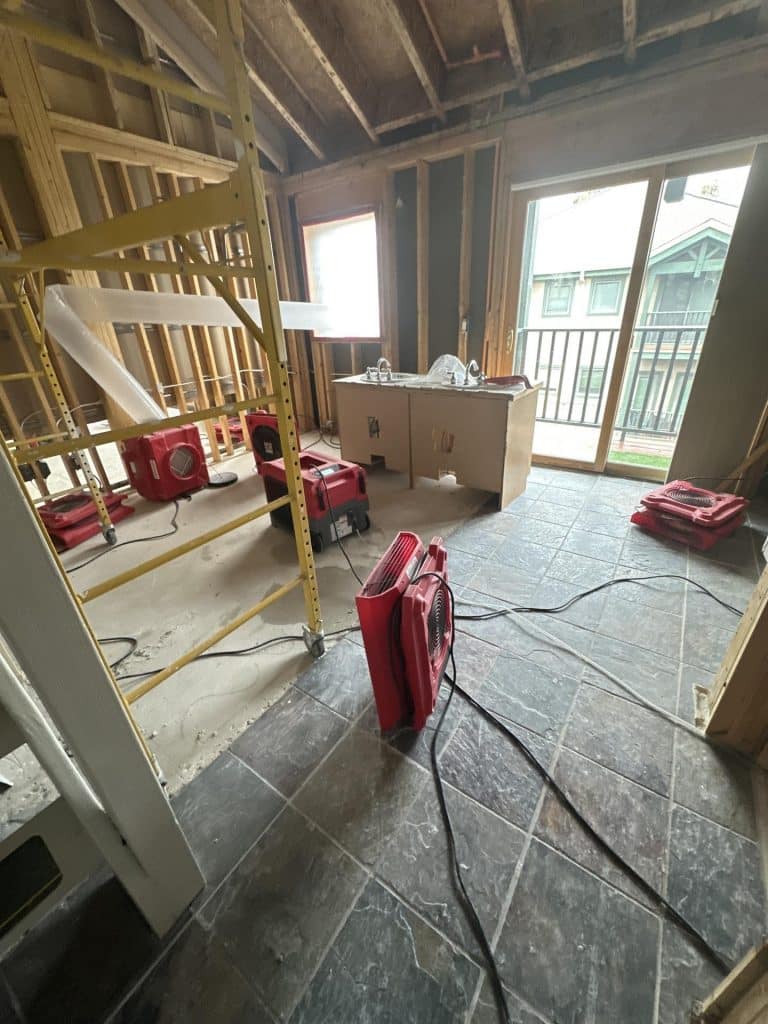
Water damage restoration involves more than simply removing water. Professional restoration companies perform services such as:
- Emergency water extraction
- Structural drying
- Moisture detection
- Dehumidification
- Mold prevention
- Property restoration
These services help prevent additional damage and restore the property to its pre-loss condition.
Insurance providers often require homeowners to take reasonable steps to prevent further damage. Therefore, contacting a professional restoration company immediately after discovering water damage can be beneficial.
At Kinder Restoration Services, we work directly with homeowners and insurance adjusters to document damage and streamline the restoration process.
How to File a Water Damage Insurance Claim
Filing a water damage insurance claim can feel overwhelming. However, following the proper steps can improve your chances of receiving coverage.
The first step is to stop the source of the water if it is safe to do so. Next, document the damage thoroughly before cleanup begins.
Recommended steps include:
1. Document the Damage
Take photos and videos of all affected areas. Capture damaged flooring, walls, furniture, and belongings.
2. Contact Your Insurance Company
Notify your insurer as soon as possible. Many companies require prompt reporting after water damage occurs.
3. Schedule a Professional Inspection
A restoration company can assess the extent of damage and identify hidden moisture. Professional reports often strengthen insurance claims.
4. Prevent Additional Damage
Insurance policies usually require homeowners to mitigate further losses. This may include water extraction and structural drying.
5. Keep All Receipts and Records
Save invoices, repair estimates, and restoration reports. These documents help support your claim.
The sooner you begin the process, the easier it may be to prevent complications.
Common Reasons Water Damage Claims Are Denied
Even when homeowners believe they have coverage, claims are sometimes denied. Understanding common reasons for denial can help you avoid mistakes.
Insurance companies may reject claims due to:
- Delayed reporting
- Lack of maintenance
- Insufficient documentation
- Policy exclusions
- Pre-existing damage
For example, if hidden moisture has been present for months, the insurer may classify the damage as gradual deterioration rather than sudden water damage.
This is why routine inspections and early leak detection are important. Our guide on How Long Does Water Damage Take to Appear in Walls? explains how hidden moisture can develop before visible signs appear.
When to Contact a Water Damage Restoration Company
Many homeowners focus on the insurance claim first. However, protecting the property should always be the priority.
Water spreads quickly through drywall, insulation, flooring, and structural materials. Within 24 to 48 hours, mold growth can begin in damp areas.
Professional restoration services help:
- Remove standing water
- Detect hidden moisture
- Prevent mold growth
- Protect structural integrity
- Reduce long-term repair costs
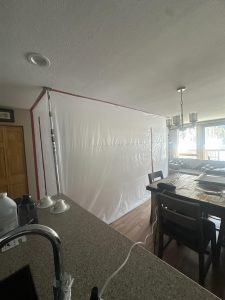
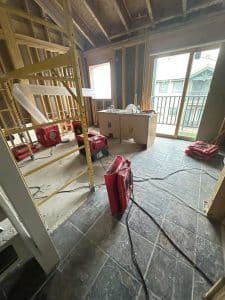
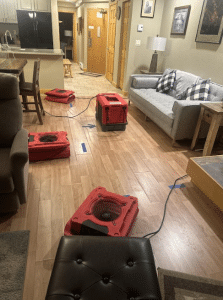
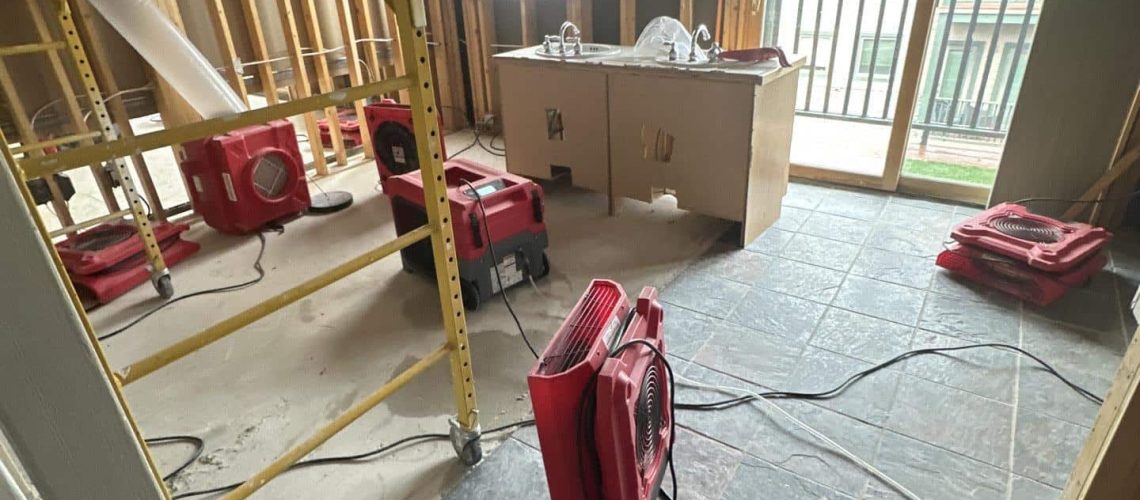
At Kinder Restoration Services, we use moisture meters, thermal imaging cameras, industrial dehumidifiers, and structural drying equipment to restore homes efficiently.
Prompt restoration not only protects your property but may also improve the outcome of your insurance claim.
Frequently Asked Questions
Does homeowners insurance cover water damage from a burst pipe?
Yes, homeowners insurance typically covers water damage caused by a burst pipe if the damage is sudden and accidental. Coverage often includes water extraction, drying, repairs, and restoration. However, damage resulting from poor maintenance may not be covered.
What types of water damage are usually covered by homeowners insurance?
Most homeowners insurance policies cover sudden and unexpected water damage, such as burst pipes, appliance leaks, and accidental plumbing overflows. Coverage varies by policy, so homeowners should review their insurance documents for specific details and exclusions.
Does homeowners insurance cover water damage restoration costs?
In many cases, yes. If the water damage results from a covered event, insurance may help pay for water extraction, structural drying, moisture removal, and restoration services needed to return the property to its pre-loss condition.
Does homeowners insurance cover flood damage?
No, standard homeowners insurance policies typically do not cover flood damage caused by rising water, storm surges, or overflowing rivers. Homeowners usually need a separate flood insurance policy to receive coverage for flood-related losses.
What should I do before filing a water damage insurance claim?
First, stop the source of the water if possible and document all damage with photos and videos. Then contact your insurance company and schedule a professional water damage inspection. Proper documentation can help support your claim and improve the claims process.
Protect Your Property After Water Damage
Understanding insurance coverage is an important part of recovering from water damage. While homeowners insurance often covers sudden and accidental water damage, coverage varies depending on the cause of the loss and the terms of your policy.
At Kinder Restoration Services, we help homeowners navigate water damage emergencies, restoration services, and insurance-related concerns. Our experienced team responds quickly to minimize damage, document losses, and restore properties safely.
If your home has experienced water damage, do not wait for the problem to worsen. Contact our team today for professional water damage restoration services and expert support throughout the recovery process.